Drip Irrigation Tube
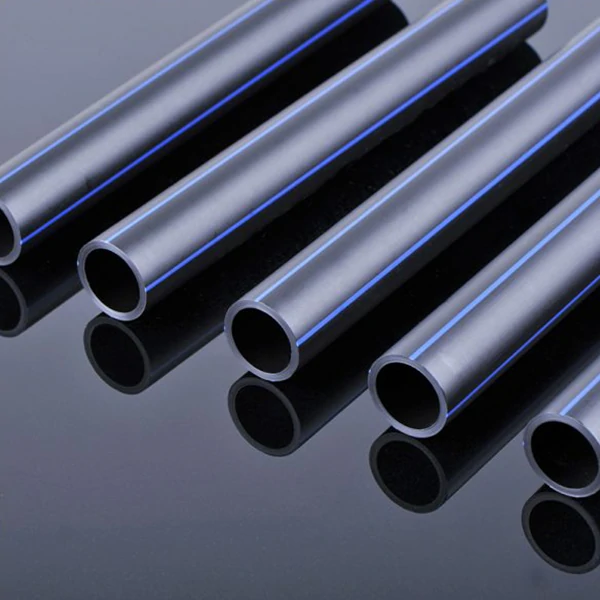
Technical Features
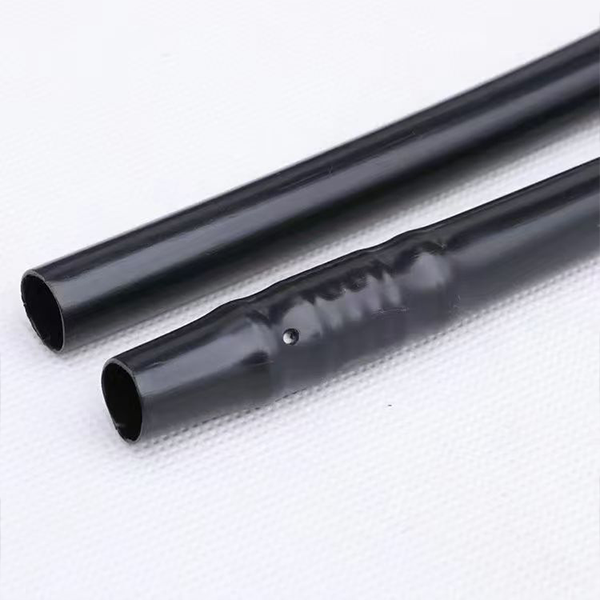
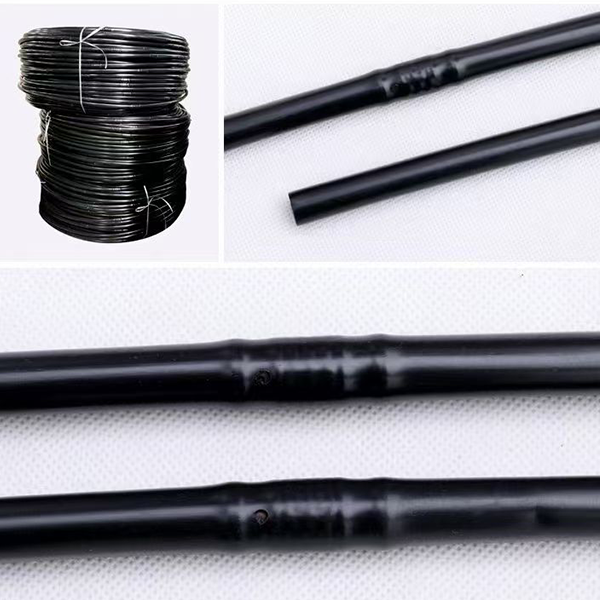
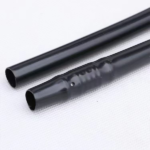
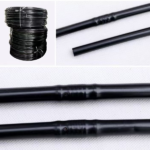
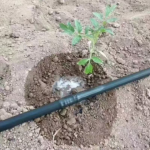
- Equipped with embedded labyrinth non-compensating & pressure-compensating drippers; turbulent water flow delivers outstanding self-cleaning and anti-clogging performance, allowing filtering precision down to 80 mesh.
- Constant-pressure flow compensator ensures water distribution uniformity ≥95%.
- Made of new-type raw material featuring high tensile strength, corrosion resistance and anti-aging property.
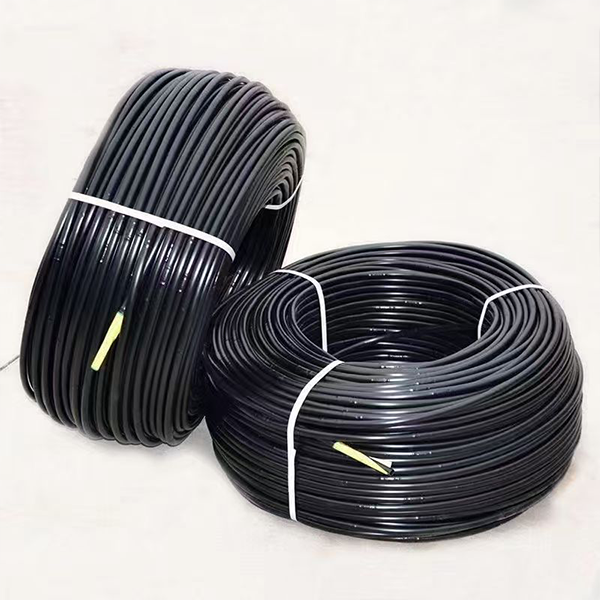
- Eight optional flow rates ranging from 1.5 L/h to 10 L/h for diversified application demands.
- Multiple pipe wall thickness options from 0.3 mm to 2 mm to fit various working conditions.
On-line Pressure Compensating Dripper
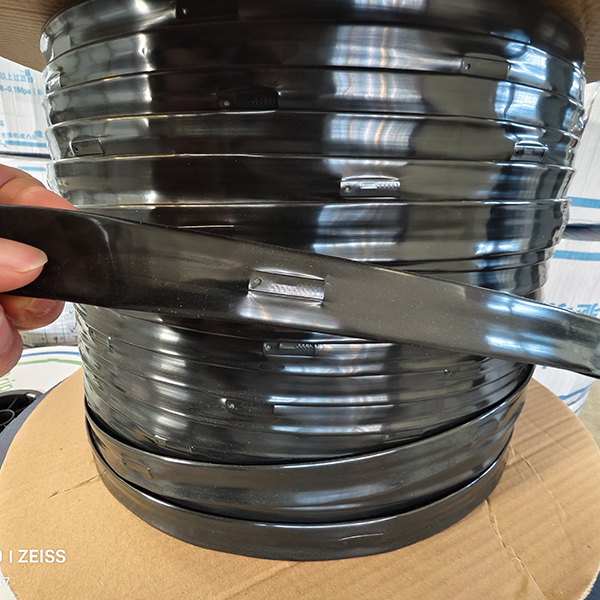
Inlaid drip tape boasts higher water distribution uniformity than lateral drip tape with wider application scope and longer feasible laying length. Available in two flow rates: 1.38 L/h and 2.5 L/h; wall thickness customizable from 0.2 mm to 0.6 mm. It is a cost-effective competitive water-saving product in domestic market.
Advantages
1. Water & labor saving with higher crop yield and revenue
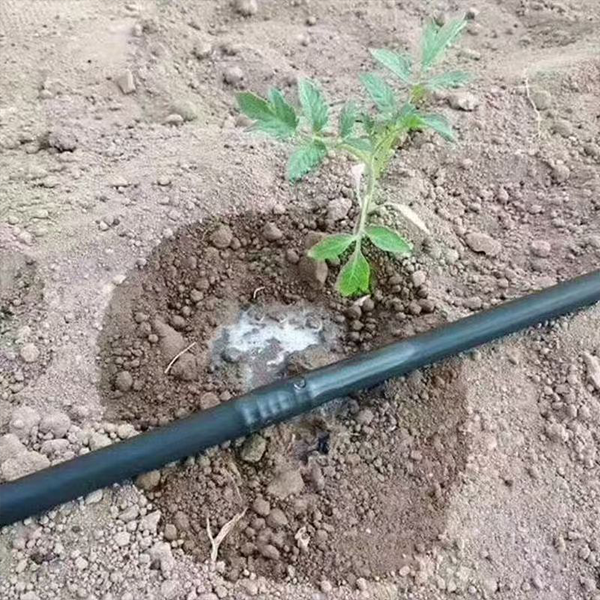
Water is directly dripped into crop root zone without wetting foliage or causing surface evaporation beyond effective moistened soil area, minimizing evaporation loss. Precise water control avoids surface runoff and deep soil seepage, cutting water consumption by 35%~75% versus sprinkler irrigation and facilitating water conservancy in water-deficient mountainous regions. Limited inter-row moisture restrains weed growth to save weeding labor. Stable optimal water & fertilizer supply around root system effectively boosts crop output.
2. Notes on popularization
Drip irrigation requires well-trained operators and intensive farm management, with higher initial investment than traditional channel irrigation. Emitter clogging caused by sediment and mineral deposits may undermine irrigation uniformity, restricting large-scale promotion. China is vigorously promoting high-efficiency water-saving irrigation for modern sustainable agriculture with promising market prospect.
Core Merits
(1) Save water, fertilizer and labor
Full-pipeline transportation plus localized micro-irrigation greatly cuts water seepage and waste. Timely targeted root watering elevates water utilization rate remarkably. Fertigation is easily realized by dissolving fertilizers into irrigation water; nutrients are evenly delivered directly to root zone to synchronize water and fertilizer supply, improving fertilizer efficiency, reducing chemical input and environmental pollution. It also enables economical topdressing of expensive trace elements without waste. Manual or automatic valve control combined with fertigation substantially cuts labor cost and production expense.
(2) Regulate ambient temperature and humidity
Conventional furrow irrigation saturates topsoil for long periods, triggering sharp temperature drop, slow temperature recovery, excessive evaporation and high greenhouse humidity that easily induce plant diseases and pests. Localized micro drip keeps most topsoil dry; slow uniform root feeding stabilizes ground temperature, lowers evaporation and indoor humidity. Better performance is achieved with subsurface drip irrigation under mulch film.
(3) Preserve original soil structure
Heavy flooding from traditional furrow irrigation scours and compacts soil, leading to soil hardening and poor air permeability without timely tillage. Slow uniform water infiltration of drip irrigation protects soil structure and builds favorable hydrothermal and fertility environment. High-frequency small-volume irrigation stabilizes soil moisture near optimal growing level for crops, curbing pest outbreaks and pesticide consumption.
(4) Upgrade crop quality, raise yield and economic benefit
Reduced input of water, fertilizer and pesticides alongside fewer diseases improves produce quality significantly. For greenhouse cultivation, drip irrigation increases yield, advances listing date and lowers overall input cost, generating remarkable economic and social benefits. It satisfies high-yield, high-efficiency and high-quality requirements of modern agriculture, laying solid foundation for wide popularization.